
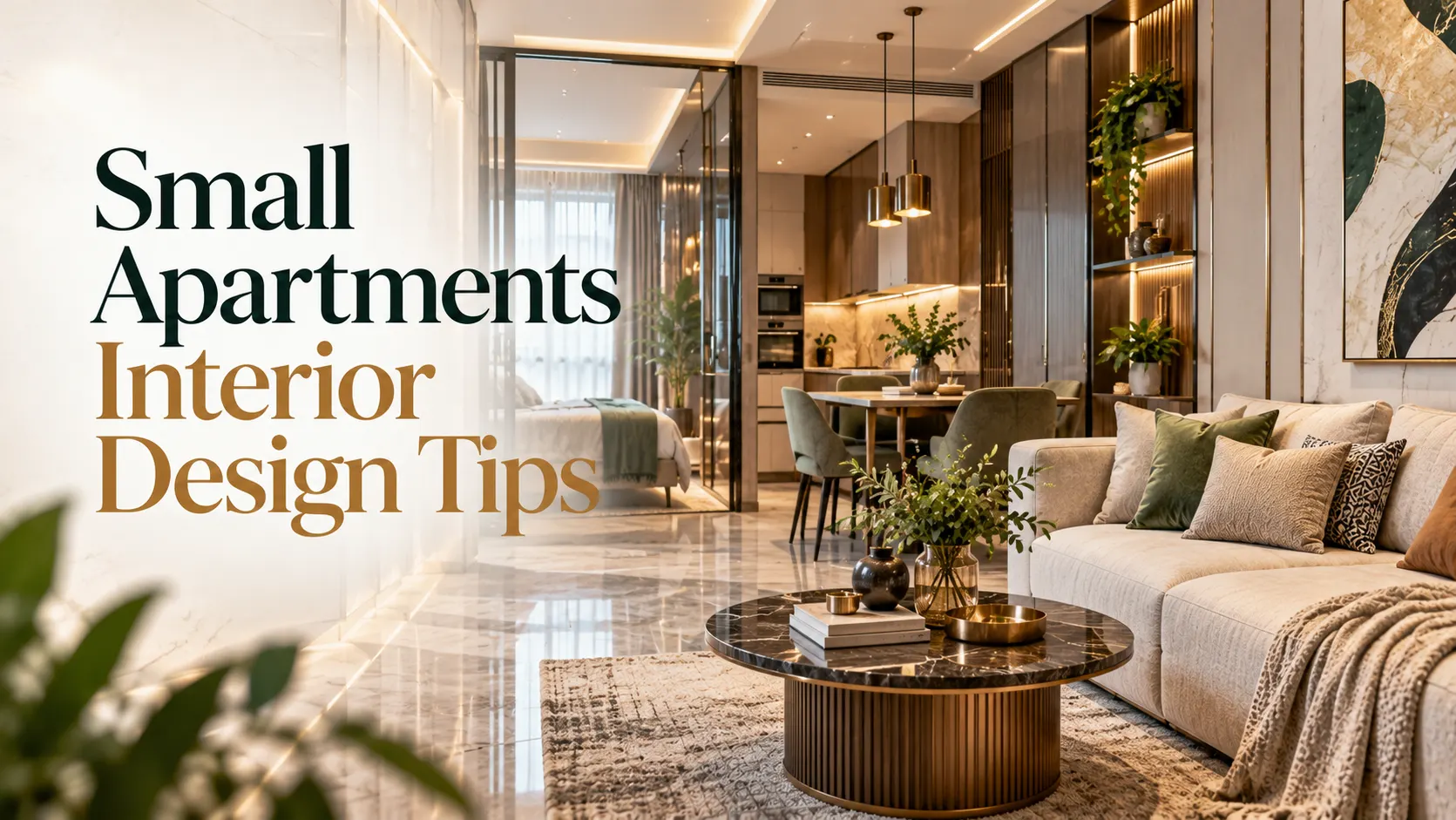
Living in a small apartment does not mean your home has to feel crowded. Many apartments in Dhaka, Chattogram, Gazipur, Narayanganj, and other urban areas have limited floor space. Living and dining zones often share one room. Bedrooms may have just enough space for the basic furniture.
Good interior planning can still make these homes feel comfortable, open, and organised. You do not need expensive materials everywhere. Better furniture proportions, controlled colors, smart storage, and proper lighting usually make the biggest difference.
1. Accept the Actual Size of Your Apartment
Start by designing for the space you have. Trying to copy the layout of a large home often creates problems. Oversized furniture blocks movement. Heavy decoration makes the walls feel closer. Too many storage units leave little open floor space.
Small apartments also offer some benefits. They are easier to clean, less expensive to furnish, and simpler to keep visually consistent. Focus on making each area useful. Empty space should also be treated as part of the design.
2. Measure Every Room Before Buying Furniture
Furniture should never be selected only by looking at showroom displays. Measure the length and width of each room first. Note the position of doors, windows, columns, electrical outlets, and balcony access.
Keep enough room for cabinet doors and drawers to open properly. Walking paths also need space. Use masking tape to mark the furniture size on the floor before buying it. This simple step helps you see whether the sofa, bed, or dining table will make the room feel restricted.
3. Create One Clear Design Direction
Small apartments feel calmer when rooms follow one connected design style. Choose a limited group of colors and materials. Repeat them throughout the home instead of giving every room a completely different look.
Your basic design palette may include:
- One main wall color
- One wood finish
- One metal finish
- Two accent colors
- One main flooring tone
Visual consistency makes the apartment feel connected. Too many unrelated finishes can make even a clean home look busy.
4. Use Light Wall Colors
Light colors reflect daylight and make walls feel less enclosed. Warm white, ivory, cream, pale beige, soft greige, and muted sage work well in compact Bangladeshi apartments. These colors also suit common wood and tile finishes.
Pure white may sometimes look too sharp under bright tube lights. Warm white often feels more comfortable in living rooms and bedrooms. Keep the ceiling lighter than the walls. This draws your eyes upward and makes the room appear taller.
5. Limit Dark Feature Walls
Dark colors can add depth, but too much can make a small room feel heavy. Use a deeper shade on one carefully selected wall. The wall behind the bed, television, or dining table may work well.
Keep the remaining walls light. Strong colors can also be added through cushions, artwork, curtains, rugs, or small furniture pieces. These items are easier to change later. Avoid painting every room in a different bold color. That breaks the visual flow of the apartment.
6. Choose Large-Format Flooring
Small tiles create many grout lines. Those lines divide the floor visually and can make the room look busier. Large-format tiles, such as 60 x 60 cm or larger, create a cleaner surface. Fewer joints help the floor feel more continuous.
Use the same or a similar flooring material across the living room, dining area, and passage where possible. Continuous flooring allows the eye to move through the apartment without interruption. This makes connected areas feel larger.
7. Select Practical Flooring Colors
Very dark flooring can make a compact room feel smaller. Very light flooring may show dirt and stains quickly. Light beige, soft grey, natural stone, and mid-toned wood finishes usually offer a good balance.
Think about dust, children, pets, and daily foot traffic before making a decision. Glossy floors reflect light, but they can also become slippery and show marks. Matte or low-sheen finishes often work better for everyday use in Bangladeshi homes.
8. Match Furniture Size to the Room
Scale matters more than style in a small apartment. Large sofas, wide beds, deep cabinets, and heavy dining sets quickly consume the available floor area.
Choose furniture that leaves enough space for movement. Slim arms and shallower seats can reduce the visual weight of a sofa. One compact sofa with a movable chair often works better than a large L-shaped unit.
Furniture should support the layout. It should not control the entire room.
9. Choose Multi-Functional Furniture
Every major furniture piece should serve a clear purpose. Pieces with more than one function reduce the need for extra furniture. This saves both floor space and money.
Useful options include:
- Beds with built-in drawers
- Storage benches
- Folding dining tables
- Extendable tables
- Sofa beds
- Ottomans with storage
- Nesting side tables
- Desks that fold against the wall
Choose functions that match your daily routine. Extra features are only valuable when you will actually use them.
10. Use Furniture with Raised Legs
Furniture with visible legs usually feels lighter than furniture that sits directly on the floor. The open gap underneath allows more of the flooring to remain visible. This gives the room a more spacious appearance.
Raised furniture also makes cleaning easier. Dust often collects under beds, sofas, and cabinets in urban apartments. Even short legs can create this effect. Slim wooden or metal legs work well for sofas, television units, bedside tables, and storage cabinets.
11. Avoid Buying Complete Furniture Sets
Matching sets can make a small room feel overcrowded. Living rooms rarely need a large sofa, two armchairs, a heavy coffee table, and several side tables. Bedrooms do not always need two bedside tables, a dressing table, a bench, and a large wardrobe.
Start with the essentials. Live with the basic furniture for a few days. Then decide what is still missing. Leaving part of the room open creates comfort. Every wall and corner does not need to hold something.
12. Use Wall-Mounted Furniture
Wall-mounted furniture keeps more floor area visible. Floating television units, narrow wall desks, hanging bedside tables, and wall shelves can replace heavy floor-level pieces.
These options work well in:
- Small bedrooms
- Living rooms
- Study corners
- Narrow passages
- Children’s rooms
Check the wall strength before fixing heavy items. Proper brackets and anchors are important, especially for partition walls.Keep wall-mounted pieces slim. Oversized units can still make the room feel crowded.
13. Use Vertical Space for Storage
Most small apartments run out of floor space before they run out of wall space. Tall shelves and floor-to-ceiling cabinets use the height of the room more effectively. Store daily items at a comfortable level. Keep seasonal or rarely used belongings on upper shelves.
Vertical lines also make the ceiling feel higher. Tall curtains, slim bookshelves, and full-height wardrobes guide the eyes upward. This reduces attention on the limited width of the room.
14. Build Storage Around Awkward Corners
Columns, recesses, narrow walls, and uneven corners are common in apartment layouts. Custom storage can turn these areas into useful space.
Consider adding:
- Shallow shelves beside columns
- Drawers under window seats
- Narrow cabinets near entrances
- Storage above doorways
- Built-in desks inside recesses
- Slim pantry units beside refrigerators
Custom furniture should solve a specific problem. Filling every unused area with cabinets can make the apartment feel boxed in.
15. Keep Visual Clutter Under Control
Clutter affects small apartments quickly. Too many visible objects create visual noise, even when the room is clean. Open shelves packed with bottles, boxes, wires, books, and decorations make the walls feel crowded.
Use closed cabinets for items you do not need to display. Place baskets or storage boxes inside open shelves. Hide extension boards and charging cables where possible. Leave some shelves partly empty. Open space gives the room a calmer and more organised appearance.
16. Use Open Shelves Carefully
Open shelves can make a room feel lighter, but they need control. Display only a small number of useful or attractive items. Group objects by color, material, or purpose.
Kitchen shelves should hold items you use regularly. Oil, dust, and cooking residue can build up quickly, so avoid placing too many decorative pieces near the stove.Closed cabinets are better for food packets, cleaning products, and mismatched containers.
Open shelving should look planned, not unfinished.
17. Place Mirrors Strategically
Mirrors work best when they reflect light or an attractive part of the room. Position a large mirror opposite or beside a window. This helps spread daylight deeper into the space.
Dining areas, entrance walls, and bedroom wardrobes are common locations for full-height mirrors. Check what the mirror will reflect before installing it. Reflections of clutter, kitchen mess, or crowded furniture will increase visual noise.
One large mirror usually creates a stronger effect than several small mirrors.
18. Maximise Natural Light
Natural light makes compact rooms feel less enclosed. Keep tall furniture away from windows. Avoid filling window sills with too many objects. Clean window glass regularly, especially in dusty urban areas.
Use sheer curtains during the day when privacy allows. Pair them with blackout curtains in bedrooms. Light should be able to reach the floor and the opposite wall. Brighter rooms generally feel wider, cleaner, and more comfortable.
19. Hang Curtains Close to the Ceiling
Curtain placement can change how tall a room feels. Install the curtain rod closer to the ceiling instead of directly above the window frame. Let the fabric fall almost to the floor.
This creates a longer vertical line. Short curtains can divide the wall and make the room appear lower. Full-length curtains usually feel more balanced.
Choose light fabrics for living areas. Use layered sheer and blackout curtains in bedrooms where light control and privacy matter.
20. Keep Walking Paths Clear
Movement should feel easy throughout the apartment. Keep clear paths between the entrance, living area, bedrooms, kitchen, and balcony. Avoid placing chairs, tables, shoe racks, or decorative stands in natural walking lines.
Leave enough space around dining tables and beds. Sometimes removing one unnecessary furniture piece improves the room more than adding new storage. Good interior design is not only about appearance. It should also make daily movement easier.
21. Divide Living and Dining Areas Without Walls
Many small Bangladeshi apartments combine the living and dining areas. Use furniture, rugs, lighting, or ceiling details to create separate zones. Solid partitions may make the space feel smaller.
Place a rug under the seating area. Use a pendant light above the dining table. Position a slim console between the two zones if space allows. Keep both areas connected through similar colors and materials. The zones should feel distinct without looking disconnected.
22. Choose the Right Dining Table
Dining tables often take more space than expected. Round tables work well in compact rooms because they have no sharp corners. Movement around them is usually easier.
Bench seating can save space because the bench slides under the table. Foldable or extendable tables work well for families who do not need a large table every day. Choose the table based on regular household use. Buying for rare gatherings can leave the room crowded throughout the year.
23. Plan Small Kitchens Around Daily Tasks
Small kitchens need clear work zones. Keep cooking tools close to the stove. Store plates and glasses near the serving area. Place cleaning products near the sink.
Use drawers for smaller items instead of keeping everything on the countertop. Light cabinet colors can make the kitchen feel more open. Under-cabinet lighting improves visibility and adds depth.
Keep frequently used items easy to reach. Good placement saves more time than decorative accessories.
24. Use Kitchen Corners Properly
Deep corners often become wasted storage areas. Corner drawers, rotating trays, pull-out shelves, or simple L-shaped shelving can improve access. Store similar items together. Keep spices in one area, pans in another, and food containers in a separate section.
Avoid pushing daily items to the back of deep cabinets. Clear organisation keeps countertops open. Visible counter space makes even a narrow kitchen feel more functional.
25. Keep Bedrooms Simple
Bedrooms need less furniture than many people assume. Start with the bed, wardrobe, and one practical bedside surface. Add other pieces only when the room still has enough open space.
Keep the wall behind the bed simple. One artwork, a soft paint color, or a light textured panel is usually enough. Avoid placing heavy cabinets on every wall.
Bedrooms should feel calm. Too much furniture can make the room feel restless and difficult to clean.
26. Use Under-Bed Storage Properly
Space under the bed is useful for bedding, luggage, seasonal clothes, and less-used items. Built-in drawers are easier to organise than loose boxes. Hydraulic lift beds provide more storage, but the hardware needs to be strong and reliable.
Use labelled bags or containers inside the storage area. Do not keep random items underneath without a system. Disorganised storage becomes difficult to use and often remains untouched for years.
27. Improve Storage in Small Bathrooms
Bathrooms often feel crowded because too many items remain on the floor. Use wall-mounted shelves, mirrored cabinets, hooks, and storage above the toilet. Choose a floating vanity when possible.
Keep buckets and cleaning products organised in one area. Daily toiletries can stay in matching containers or small baskets. Backup products may be stored outside the bathroom if another suitable space is available.
Clear floor space makes the bathroom feel wider and easier to clean.
28. Consider Glass Shower Partitions
Clear glass keeps the full bathroom visible. Solid partitions and dark shower curtains divide the room visually. This can make an already small bathroom feel tighter.
Frameless glass creates a cleaner appearance, but installation quality matters. Proper floor slope and drainage are also important.
Lightly frosted glass may be a better choice when privacy or cleaning is a concern. Choose the option that suits your household habits, not just the showroom look.
29. Use More Than One Light Source
One ceiling light often leaves corners dark. Layered lighting gives the room more depth and supports different activities.
Consider using:
- Ceiling lights for general lighting
- Wall lights for depth
- Pendant lights above dining areas
- Bedside lights for reading
- Under-cabinet lights in kitchens
- Floor lamps in living rooms
Lit corners make the room feel more open. Dark corners can visually reduce the size of the space.
30. Choose the Right Light Temperature
Warm light suits living rooms and bedrooms because it feels softer and more relaxing. Neutral light works better in kitchens, bathrooms, study areas, and dressing spaces. These areas need clearer visibility.
Avoid mixing several light colors in one small room. Different tones can make the interior feel inconsistent. Choose one main temperature for each room and use it across the fixtures.
Lighting should support comfort, visibility, and mood at the same time.
31. Turn the Balcony Into Useful Space
Small balconies often become storage areas for old furniture, boxes, and cleaning tools. Clear unnecessary items first. Use folding chairs, a narrow table, or vertical planter shelves. Choose materials that can handle sunlight, humidity, and rain.
Keep the drainage outlet open. Even a small balcony can become a comfortable place for tea, reading, or fresh air. Simple furniture usually works better than heavy decoration.
32. Add Plants Without Creating Clutter
Plants bring softness and natural color into compact apartments. Choose a few plants that match the available daylight. One tall plant in a corner may create more impact than many small pots on every surface.
Hanging planters and wall-mounted holders save floor space. Keep plants away from narrow paths and doors. Select varieties that fit your maintenance routine. Too many plants can create extra work and make the room feel crowded.
33. Plan for Humidity and Ventilation
Bangladesh has a humid climate, so materials need to handle moisture. Keep wardrobes slightly away from damp walls. Allow air to move behind large furniture. Use exhaust fans in kitchens and bathrooms.
Avoid sealing wet items inside closed cabinets. Check walls for moisture before installing wooden panels or built-in furniture. Ventilation affects comfort, paint, fabric, wood, and indoor air quality. Ignoring it may lead to mould, peeling finishes, and unpleasant smells.
34. Choose Materials for Real Life
Materials should match how your household lives. Washable wall paint, durable laminates, easy-clean tiles, and stain-resistant upholstery work well for busy families.
Removable sofa covers make cleaning easier. Treated wood handles humidity better than unfinished wood. Think about children, pets, cooking, dust, and guests. Delicate finishes may look attractive at first but can become difficult to maintain. Practical materials usually stay presentable for longer.
35. Keep Decoration Limited
Small apartments do not need decoration on every wall and surface. Choose a few pieces with personal meaning. Family photographs, artwork, ceramics, books, or handmade items can make the home feel personal.
Group smaller objects instead of spreading them across several tables. Keep part of each surface clear. Decoration looks more intentional when there is open space around it. Too many objects compete for attention and reduce the calm feeling of the room.
36. Avoid Following Every Interior Trend
Trends change faster than built-in furniture. Use current styles through cushions, lights, rugs, wall art, and small tables. These pieces are easier to replace.
Keep expensive elements more timeless. Flooring, wardrobes, kitchen cabinets, and fixed wall panels should work for many years. Choose what suits your home and routine.
Your apartment does not need to copy a showroom. It should feel comfortable for the people who live there.
37. Use Custom Furniture Only Where It Solves a Problem
Custom furniture can use difficult spaces more efficiently. Built-in wardrobes, storage benches, narrow desks, and shallow cabinets may work better than standard furniture in compact rooms.
Request proper measurements and drawings before production. Discuss the internal storage, materials, hinges, handles, edge finishing, and maintenance needs.
Custom work should improve function. Filling every wall with built-in units can make the apartment feel heavy.
38. Design One Room at a Time
Trying to finish the whole apartment at once often leads to rushed purchases. Start with the room you use most. Complete the basic layout before buying decoration.
Follow this order:
- Plan the furniture layout
- Choose the main colors
- Add necessary storage
- Plan the lighting
- Select curtains and soft furnishings
- Add decoration last
This process gives you better control over the budget and reduces unnecessary purchases.
Common Mistakes to Avoid in Small Apartments
Several design mistakes can make compact homes feel even smaller.
Watch out for:
- Oversized furniture
- Too many wall colors
- Heavy curtains
- Dark corners
- Blocked windows
- Crowded open shelves
- Unnecessary partitions
- Poorly placed mirrors
- Too many decorative items
- Furniture blocking walking paths
Fixing these issues often creates a bigger improvement than buying expensive new items.
Frequently Asked Questions
What colors make a small apartment look bigger?
Warm white, soft cream, pale beige, light greige, and muted pastel tones can make rooms feel more open. Keep the ceiling lighter than the walls and limit darker colors to one controlled area.
Which sofa is best for a small living room?
Compact sofas with slim arms and raised legs usually work well. Straight sofas are often easier to place than large L-shaped units. Measure the room and keep the main walking path clear before buying.
Should small apartments use large or small tiles?
Large-format tiles usually work better because they create fewer grout lines. This helps the floor look cleaner and more continuous. Tile size should still suit the room proportions and installation quality.
How can I add more storage without making the room crowded?
Use under-bed drawers, tall cabinets, storage benches, floating shelves, and furniture with hidden compartments. Keep some storage closed so the room does not become visually busy.
Are dark colors suitable for small apartments?
Dark colors can work in small amounts. Use them on one feature wall, furniture piece, or decorative item. Covering several walls with dark shades may make the room feel smaller.
How can I make a small bedroom feel larger?
Use a light wall color, simple furniture, full-height curtains, raised furniture, and one large mirror. Keep the floor clear and avoid placing cabinets on every wall.
Which lighting is best for small apartments?
Layered lighting works best. Combine ceiling lights with wall lights, lamps, or under-cabinet lights. Warm light suits bedrooms and living rooms, while neutral light works better in kitchens and bathrooms.
Is custom furniture worth it for a small apartment?
Custom furniture is useful when standard pieces do not fit the layout. It works best for awkward corners, narrow walls, under-window areas, and floor-to-ceiling storage. Proper planning is necessary to avoid making the room feel overloaded.
How can I decorate a rented small apartment?
Use removable wallpaper, rugs, curtains, freestanding shelves, mirrors, plants, cushions, and artwork. Avoid permanent changes unless the landlord approves them.
What should I prioritise on a limited interior budget?
Start with paint, lighting, furniture layout, curtains, and storage. These changes usually improve the space more than decorative wall panels or expensive accessories.
Final Thoughts
Small apartments in Bangladesh can be comfortable, practical, and visually open. Focus on proportion, natural light, clear walking paths, useful storage, and materials that suit the local climate.
Choose furniture based on the room size. Use vertical space carefully. Keep the floor visible where possible. Control clutter before adding decoration. Good design does not try to hide the size of your apartment. It helps every part of the home work better for your daily life. For costing calculation call for Tilottoma Limited a leading interior company in Bangladesh.