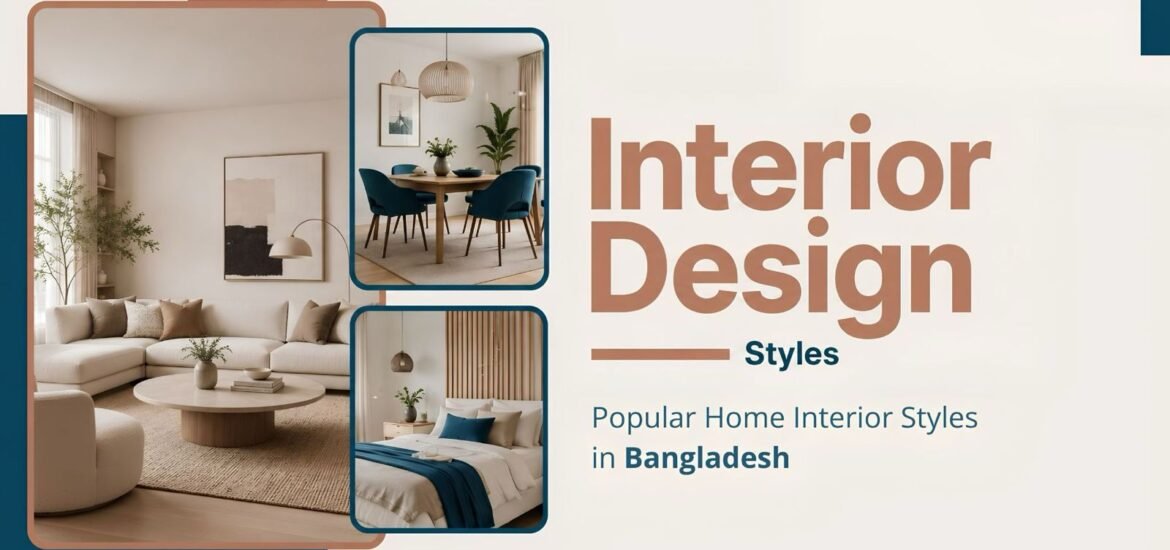
Interior design styles

Top 10 Interior Design Styles in Bangladesh

Interiors designs are not just about choosing a beautiful look from Pinterest. Your home has a life of its own. It has morning rush, family meals, guests, storage problems, prayer space, work calls, children, parents, heat, dust, and sometimes very limited square footage.

So when someone asks me, “Which interior design style is best for my home?” I never answer with one style name.

I ask how they live. That answer matters more than any trend. You may love a luxury drawing room, but if your apartment is compact and your family uses the living room all day, the design has to serve real life first.

Good interior design should feel beautiful, yes. But it should also feel natural when you sit, cook, pray, rest, host guests, or come home tired after a long day.

This guide will help you understand the most popular interior design styles in Bangladesh and where each one works best.

Why Your Home Needs a Clear Design Direction?

Most people start from furniture.They visit showrooms, save photos, choose a sofa, pick tiles, then think about wall color. I understand why. Those things are visible and exciting.

But this can create problems later. Without a clear design direction, your home can start feeling disconnected. One room looks modern and another feels classic. The dining area becomes heavy. The bedroom looks like a hotel. Nothing feels wrong alone, but together, the home does not breathe properly.

I have seen this happen many times. Before choosing materials or furniture, you need to understand the feeling you want. Calm? Elegant? Warm? Minimal? Luxurious? Family-friendly? Bright? Traditional? That emotional direction guides the whole design. So nice deign how affect your daily life and why it is needed for a better life. 

  • Creates Visual Harmony
  • Prevents Costly Mistakes 
  • Makes Decision-Making Easier 
  • Improves Functionality 
  • Enhances Emotional Comfort.
  • Avoids a Cluttered Look
  • Strengthens Your Home’s Identity
  • Maximizes Space Perception
  • Increases Long-Term Satisfaction
  • Adds Professional Quality.

Once your interior style is clear, it becomes easier to choose:

  • Furniture shape
  • Wall color
  • Ceiling design
  • Lighting mood
  • Storage style
  • Flooring material
  • Curtain fabric
  • Décor pieces
  • Local artwork
  • Kitchen and wardrobe finishes

Clear style also protects your budget. You stop buying random items just because they look nice in a shop. You know what belongs in your home and what does not.

That is where good design starts.

Popular Home Interior Styles in Bangladesh

Bangladeshi people has its own way of living, so interior design here cannot blindly follow foreign homes. Urban apartments need space-saving ideas. Duplex houses need better flow between floors. Family homes need storage and comfort. 

Premium homes often need elegance without becoming too showy. Commercial spaces need brand identity and customer experience. Still, some styles work again and again because they solve real problems.

Let me break them down in a practical way.

1. Modern Interior Style

Walk into a well-designed modern home, and the first thing you notice is breathing space.

The room does not feel overloaded. Furniture has clean lines. Storage stays controlled. Colors are usually calm. Nothing screams for attention, but everything feels planned. This is why modern interior design is so popular in Bangladesh, especially in apartments.

Many city flats do not have unlimited space. A modern layout helps you use every corner without making the room feel crowded. Built-in cabinets, simple TV units, compact sofas, and clean wall treatments make daily life easier.

You may see:

  • Straight furniture lines
  • Neutral colors
  • Smart storage
  • Simple ceiling design
  • Clean lighting
  • Functional layouts
  • Fewer decorative items

Modern style suits you if you want a home that feels organized, practical, and easy to maintain. Texture matters. Lighting matters. Wood tone matters. The gap between “simple” and “boring” is usually in the details.

2. Contemporary Interior Style

Some homes feel fresh without following one strict rule. This style reflects what feels current now. It changes with time. You might see curved furniture, textured walls, warm lighting, stone finishes, glass, metal accents, or soft modern colors.

In these situations, contemporary interiors give you more freedom than pure modern design.

I like this style for homeowners who enjoy a polished look but still want flexibility. You can mix clean furniture with a textured feature wall. You can use modern lighting with soft fabrics and also can keep the base neutral and add a bold chair or artwork.

One warning though:

Too many trend-based choices can age quickly. So I usually suggest keeping the main design calm and using trendy ideas in smaller parts. Lamps, cushions, rugs, wall art, and accent chairs are easier to change later.

Your home should not feel outdated just because one Instagram trend passed.

3. Minimalist Interior Style

People often think minimalism means empty rooms.I do not see it that way.

Minimalist interior design is about keeping what has purpose and removing what disturbs the room. It gives your space a clean, peaceful feeling.

For small apartments, minimalism can work beautifully only when storage is planned properly. Without hidden storage, a minimalist home becomes messy very quickly.

You need space for shoes, clothes, bags, school items, kitchen tools, cleaning supplies, prayer items, documents, and all the small things people actually use.

Good minimalist interiors often include:

  • Hidden cabinets
  • Light wall colors
  • Simple furniture
  • Clear floor space
  • Fewer display items
  • Soft lighting
  • Clean kitchen surfaces

Minimalist style suits you if clutter makes you tired. After a long day, some people want a home that feels quiet. No heavy patterns. No crowded shelves. No unnecessary furniture. Just enough.

But do not make it lifeless. A few warm textures, soft curtains, wooden details, indoor plants, or personal photos can keep the home human.

4. Scandinavian Interior Style

Bright rooms have a different kind of comfort. Scandinavian interior design brings that feeling with light colors, natural wood, soft fabrics, simple furniture, and cozy details. It feels calm without becoming too serious.

I often like Scandinavian style for bedrooms, family living rooms, and small apartments. Light walls, soft curtains, and warm wood can make a small space feel more open.

You may use:

  • White, beige, grey, or soft earthy tones
  • Light wooden furniture
  • Comfortable seating
  • Simple shelves
  • Indoor plants
  • Soft rugs
  • Natural textures

It gives comfort without heavy decoration.

But let me be practical. Dust, humidity, children, cooking, and daily use matter. So choose washable fabrics, durable surfaces, and slightly warmer tones if needed. Design should look good in photos, but it must also work on a normal Tuesday.

5. Traditional Bangladeshi Interior Style

There is a warmth in local materials that imported decor cannot copy. Traditional design carries memory, culture, and identity. Wood, cane, bamboo, terracotta, brass, handcrafted furniture, nakshi kantha, local paintings, and woven textures can make a home feel rooted.

You do not need to turn the whole house into a heritage museum. Sometimes one handcrafted wooden table, one cane chair, one terracotta corner, or one local artwork can change the mood of a room.

Picture a clean living room with a warm wooden cabinet or a balcony with cane chairs and plants or a dining space with local craft pieces on a simple wall.

6. Modern Classic Interior Style

Elegance works best when it knows where to stop. Classic and modern style premium designs are the most choosable for Bangladeshi homeowners. It combines classic details with modern comfort. You may see wall molding, decorative panels, soft luxury lighting, marble-look surfaces, refined furniture, and warm neutral colors.

Used carefully, this style feels timeless. Used carelessly, it feels heavy. Too much gold, too many panels, too much ceiling detail, and oversized lighting can make the room look forced. I usually prefer modern classic design when it feels calm, not loud.

This style works well for:

  • Formal living rooms
  • Drawing rooms
  • Master bedrooms
  • Dining spaces
  • Duplex homes
  • Premium apartments

Room size matters here. Small rooms can still use modern classic touches, but the details must stay lighter. Otherwise, the walls start closing in.

7. Luxury Interior Style

Expensive items do not automatically create luxury. That may sound direct, but it is true. Luxury interior design is about comfort, quality, proportion, finishing, and detail. 

The cabinet should feel smooth, the lighting should feel warm at night and the sofa should support your body. The materials should age well. Real luxury should make life easier, not more stressful.

A luxury home may include:

  • Natural stone
  • Custom furniture
  • Premium fabrics
  • Statement lighting
  • Better hardware
  • High-quality veneer or wood
  • Layered lighting
  • Smart storage
  • Soft wall finishes

8. Transitional Interior Style

Not every family agrees on one design style.

Maybe you like clean modern lines. Your parents prefer wood and warmth. Your spouse wants comfort. Someone else wants a little elegance. Transitional interior design helps bridge those choices.

It sits between modern and traditional design. You can keep the layout clean but bring warmth through wood, soft fabrics, classic lighting, or selected décor.

You may see:

  • Neutral colors
  • Comfortable furniture
  • Warm wood tones
  • Simple wall details
  • Classic accents
  • Modern storage
  • Balanced lighting

9. Industrial Interior Style

Raw surfaces can look powerful when the space can handle them. Industrial interior design uses concrete, brick texture, black metal, open shelving, track lights, dark wood, and exposed-style finishes.

This style is more common in cafes, offices, studios, and creative spaces. For homes, I usually suggest using industrial touches instead of a full industrial theme. A full industrial room can feel dark or rough if the light and layout are not strong.

Better options include:

  • One concrete-textured wall
  • Black metal shelves
  • Matte black handles
  • Track lighting
  • Leather seating
  • Dark wood accents

Industrial style suits you if you like a bold, urban, slightly raw look. Just keep comfort in the room. 

10. Bohemian Interior Style

Some rooms feel like the person who lives there. Bohemian interior design has that quality. It is relaxed, layered, creative, and personal. You may see colorful cushions, handmade items, plants, art, books, rugs, travel pieces, and mixed textures.

This style is not for someone who wants everything perfectly matched and that is the point.

This design works best when the home feels collected over time. It can show your hobbies, memories, culture, travel, and creativity.

Still, it needs control. Too many items can quickly become clutter. So, keeping the base simple and adding personality in layers.

Start with a calm wall color. Then add rugs, plants, art, fabrics, and handmade pieces slowly. The home should feel soulful, not messy.

Which Interior Style Is Most Popular in Bangladesh?

Modern design still leads in many Bangladeshi homes, especially in city apartments. The reason is practical. Modern interiors help save space, keep rooms clean, support built-in storage, and work with many budgets. For busy families, that matters.

At the same time, modern classic and transitional styles are growing among homeowners who want a more refined look. Scandinavian style is also becoming popular because people want brighter, calmer homes.

Traditional elements are coming back too, but in a more controlled way. Instead of fully traditional rooms, many homeowners now add local craft, wood, cane, or terracotta into modern spaces.

I think that is a healthy direction. It makes homes feel personal without making them look outdated.

How to Choose the Right Interior Design Style for Your Home?

The best style is not always the most popular one. Your home should support your daily life first. Before choosing any interior style, ask yourself a few honest questions – 

1) How many people use the space?
2) Do guests visit often?
3) Do you need a formal drawing room?
4) Do you work from home?
5) Do you cook every day?
6) Do you have children?
7) Do you need more storage?
8) Do you prefer a calm home or a decorative one?
9) How much maintenance can you handle?

These answers will guide you better than any design trend. For example, a glossy luxury kitchen may look beautiful. But if your family cooks heavily every day, you need surfaces that clean easily and age well. Good design respects your habits.

Think About Space Before Style

Every style needs room to work. Small apartments usually need lighter furniture, smart storage, and clean layouts. Large homes can handle heavier pieces, statement lighting, and more detailed wall treatments.

For compact apartments, I usually consider:

  • Modern design
  • Minimalist design
  • Scandinavian design
  • Contemporary design

For larger flats or duplex homes, these styles can work better:

  • Modern classic
  • Transitional
  • Luxury
  • Contemporary

Still, no rule is fixed. The key is proportion, a small home can feel elegant and a large home can feel minimal. Furniture size, walking space, wall treatment, lighting, and storage must match the actual room, not the showroom.

Match Design Style With Budget

Budget does not only decide quality, it decides strategy. Some interior styles need more investment from the start. Modern classic and luxury designs often involve custom furniture, wall panels, premium lighting, better hardware, and detailed finishing.

Modern, minimalist, scandinavian, and transitional styles can be more flexible. You can create a good result by focusing on layout, storage, color, and lighting first. 

Spend on things you use every day. Sofa, bed, kitchen cabinets, wardrobes, flooring, hardware, lights, and storage deserve attention. Decorative items can come later.

Many beautiful homes are built in stages. You do not need to finish everything at once if the design direction is clear. For getting ideas on budget you can chat or call to Tilottoma Limited

Common Mistakes When Choosing an Interior Style

One common mistake is copying another home exactly. Their space is not your space. Their light, budget, family size, and lifestyle may be completely different.

Another mistake is buying furniture before planning the layout. A sofa can look perfect in a showroom and still destroy your living room flow. I also see people mixing too many design ideas because they like everything.

That usually creates confusion.

Other mistakes include:

  • Ignoring storage
  • Choosing style over comfort
  • Using too many colors
  • Adding false ceiling without purpose
  • Using glossy materials everywhere
  • Forgetting maintenance
  • Choosing trendy décor too early
  • Not planning lighting properly

You can avoid most of these issues with clear planning. Not complicated planning. Just honest planning.

Frequently Asked Questions

What is the most popular interior design style in Bangladesh?

Modern interior design is one of the most popular choices in Bangladesh because it works well for apartments, family homes, and practical daily living. It supports clean layouts, smart storage, and simple furniture planning.

Which interior style works best for small apartments?

Minimalist, modern, Scandinavian, and contemporary styles usually work best for small apartments. These styles help improve light, save space, and reduce clutter.

What is the difference between modern and contemporary interior design?

Modern design follows a cleaner and more fixed design approach. Contemporary design changes with current trends and allows more flexibility with materials, colors, textures, and furniture forms.

Is traditional Bangladeshi interior design still popular?

Yes, traditional Bangladeshi elements are still popular. Many homeowners now use wood, cane, terracotta, local artwork, and handcrafted décor inside modern layouts.

Can I mix modern and traditional interior design?

Yes, modern and traditional styles can work very well together. Keep the layout clean, then add traditional materials, local craft, or warm wooden details in selected areas.

Which interior design style is best for luxury homes?

Modern classic, luxury, contemporary, and transitional styles are strong options for premium homes. The right choice depends on space, budget, taste, and maintenance needs.

Final Thoughts

Do not decide from one photo. Save several images you like. Then look for patterns.

Maybe you keep choosing warm wood. Maybe you like clean walls. Maybe you prefer soft lighting. Maybe you love classic panels. Maybe every saved image has plants, beige tones, and simple furniture.

Those repeated choices reveal your real taste. After that, compare your taste with your home size, budget, family needs, and maintenance level.

That step is important. A style should not only look like you. It should work for you.
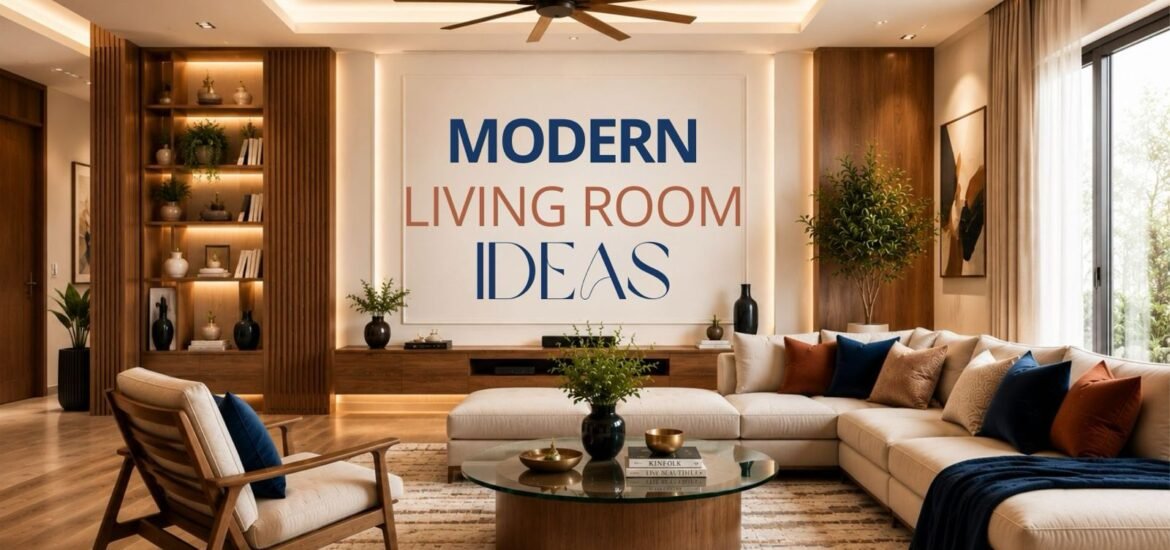
Modern living room ideas

Modern Living Room Design Ideas for Homes

A modern living room should feel clean, comfortable, and easy to live in. It should not look crowded, cold, or too formal. The best modern living rooms balance style with daily comfort.

For most homes, the living room is the main family space. It is where people sit, talk, watch TV, welcome guests, relax after work, and spend time together. So the design should not only look good in photos. It should also work well in real life.

Modern living room design focuses on simple layouts, clean furniture, smart storage, soft colors, good lighting, and useful decor. You do not need a very large budget to create a modern look. Even small changes can make the room feel fresh and more organized.

What Makes a Living Room Look Modern?

A modern living room usually feels open, simple, and well-planned. It avoids too much decoration and focuses on clean shapes, useful furniture, and a calm color palette.

The main features of a modern living room often include:

  • Simple furniture design
  • Neutral wall colors
  • Open walking space
  • Clean TV wall or feature wall
  • Smart storage
  • Natural light
  • Warm artificial lighting
  • Minimal decor
  • Comfortable sofa
  • Rugs, curtains, and soft textures
  • Indoor plants or natural materials

Modern design does not mean the room should feel empty. It means every item should have a purpose. The sofa, table, rug, lighting, wall art, and storage should work together.

A modern living room should feel neat, but still warm.

Start With a Clear Living Room Layout

Before choosing colors or furniture, start with the layout. A poor layout can make even expensive furniture look wrong.

Look at how people move through the room. There should be enough space to walk between the sofa, coffee table, TV unit, chairs, and doors. If people need to squeeze between furniture, the room will feel crowded.

The sofa is usually the main piece. Place it where it feels natural. In many homes, the sofa faces the TV wall. In some homes, it faces a window, fireplace, or feature wall.

For small homes, an L-shaped sofa can work well if placed in the right corner. For narrow rooms, a straight sofa with one accent chair may feel better. For larger living rooms, you can use two sofas or a sectional sofa to create a more social layout.

The main goal is simple. The room should feel easy to use.

Choose a Calm Color Palette

Color plays a big role in modern living room design. Most modern homes use soft and neutral colors because they make the room feel bigger, calmer, and cleaner.

Popular modern living room colors include:

  • White
  • Cream
  • Beige
  • Light grey
  • Warm grey
  • Taupe
  • Soft brown
  • Greige
  • Olive green
  • Charcoal
  • Black accents
  • Natural wood tones

You do not need to use only white or grey. A modern living room can still have color. The key is balance.

For example, you can use cream walls, a beige sofa, a wooden coffee table, and black metal lights. Then add green cushions or a rust-colored rug for warmth.

If the room is small, use lighter colors on the walls. Light colors reflect more light and make the space feel open. Dark colors can also look beautiful, but they work better when the room has good lighting.

Use a Comfortable Modern Sofa

The sofa is one of the most important parts of the living room. It sets the tone for the whole space.

A modern sofa usually has clean lines and a simple shape. It does not need heavy carving, too many curves, or bulky arms. Slim arms, straight backs, and soft fabric often work well.

Popular sofa choices for modern homes include:

  • L-shaped sofa
  • Sectional sofa
  • Low-profile sofa
  • Modular sofa
  • Two-seater sofa for small rooms
  • Neutral fabric sofa
  • Leather or faux leather sofa
  • Sofa with hidden storage

When choosing a sofa, comfort should come first. A sofa may look stylish, but if it is too hard, too deep, or too low, people may not enjoy using it.

For families, choose fabric that is easy to clean. For small homes, choose a sofa with legs, because raised furniture can make the room feel lighter.

Create a Simple TV Wall

Many homeowners ask, “How can I make my TV wall look modern?”

The answer is to keep it clean and balanced.

A modern TV wall should not be overloaded with shelves, colors, frames, and decor. Too many items around the TV can make the wall look messy.

You can design a modern TV wall with:

  • A floating TV unit
  • Wooden wall panels
  • Marble-look panels
  • Simple wall paint
  • Fluted panels
  • Hidden storage
  • LED backlighting
  • Built-in shelves
  • Closed cabinets
  • Minimal decor

If the living room is small, keep the TV wall light and simple. A floating cabinet can make the floor look more open. Closed storage can hide wires, remotes, chargers, and small items.

For a warmer look, use wood texture behind the TV. For a luxury look, use stone, marble, or textured panels. But avoid using too many materials on one wall.

Add a Feature Wall Without Overdoing It

A feature wall can make your living room feel finished. It gives the eye one clear place to focus.

A modern feature wall can be made with paint, wallpaper, wood panels, wall molding, stone texture, or large artwork.

Good feature wall ideas include:

  • One wall in a darker color
  • Vertical wooden slats
  • Soft textured wallpaper
  • Wall molding with neutral paint
  • Large abstract wall art
  • Stone-look panel behind the TV
  • Built-in shelves with warm lighting

The feature wall should support the room, not dominate it. If the wall is too busy, the whole living room may feel heavy.

Keep the rest of the space calmer if the feature wall has strong texture or color.

Use Layered Lighting

Lighting can change the full mood of a living room. One ceiling light is usually not enough.

Modern living rooms often use layered lighting. This means using different lights for different needs.

You can use:

  • Ceiling lights for general lighting
  • Floor lamps for reading corners
  • Wall lights for soft mood
  • Pendant lights for style
  • Table lamps for warmth
  • LED strip lights for shelves or TV units
  • Spotlights for artwork or feature walls

Warm white lighting usually works best for living rooms. It feels softer and more relaxing than cold white light.

Natural light is also important. Use light curtains during the day if you want privacy without blocking sunlight. If the room has large windows, keep the window area open and simple.

A well-lit living room feels bigger, cleaner, and more welcoming.

Pick the Right Coffee Table

A coffee table may look like a small detail, but it can affect the whole room.

For a modern living room, choose a coffee table that fits the size of the sofa and seating area. A very large table can block movement. A very small table can look lost.

Modern coffee table options include:

  • Round coffee table
  • Wooden coffee table
  • Glass coffee table
  • Marble-top table
  • Nesting tables
  • Storage coffee table
  • Ottoman-style table

Round tables work well in small rooms because they make movement easier. Rectangular tables work well with long sofas. Nesting tables are useful when you need flexibility.

Keep the table decor simple. A tray, a small plant, one book, or a candle is enough.

Use Rugs to Make the Room Feel Complete

A rug can make a living room feel warmer and more connected. It helps define the seating area, especially in open-plan homes.

Many people choose rugs that are too small. This can make the room feel unbalanced.

A good rug should sit under at least the front legs of the sofa and chairs. In a larger room, the rug can go under all main furniture pieces.

For modern living rooms, simple rug designs work best. You can use:

  • Neutral rugs
  • Geometric patterns
  • Textured rugs
  • Low-pile rugs
  • Jute rugs
  • Soft wool-style rugs

If your furniture is plain, a patterned rug can add interest. If your furniture already has strong color or texture, use a simple rug.

Add Smart Storage

A modern living room should feel clean, not cluttered. Storage helps make that possible.

Everyday items like remotes, chargers, toys, books, magazines, and cables need a proper place. If they stay visible all the time, the room quickly looks messy.

Useful storage ideas include:

  • TV unit with drawers
  • Floating shelves
  • Closed cabinets
  • Storage coffee table
  • Baskets
  • Side tables with drawers
  • Built-in wall storage
  • Console table behind the sofa

Closed storage is better when you want a clean modern look. Open shelves can look nice, but they need careful styling. Too many items on shelves can make the space feel busy.

Use open shelves for a few selected items only, like books, plants, frames, or decor pieces.

Design for Small Living Rooms

A small living room can still look modern. The secret is to avoid heavy furniture and visual clutter.

Use light wall colors, slim furniture, raised legs, mirrors, and simple storage. Do not block windows with large furniture. Let natural light enter the room.

Small living room design ideas include:

  • Use a compact sofa
  • Choose a wall-mounted TV
  • Use nesting tables
  • Add a large mirror
  • Choose light curtains
  • Use one large rug instead of several small rugs
  • Keep decor minimal
  • Use vertical storage
  • Choose furniture with hidden storage

A small room should not have too many colors. Choose one main color, one secondary color, and one accent color.

For example, you can use cream walls, a grey sofa, wood furniture, and black accents. This keeps the room modern and calm.

Make Open-Plan Living Rooms Feel Organized

Open-plan living rooms are common in modern homes. They often connect with the dining area or kitchen.

The challenge is making each area feel separate without closing the space.

You can define the living area with:

  • A large rug
  • Sofa placement
  • Pendant lighting
  • A console table
  • Different ceiling lights
  • A low partition
  • Accent wall
  • Furniture arrangement

The sofa can work as a soft divider between the living room and dining area. A rug can show where the seating zone starts and ends.

Keep the color palette connected across the open space. The living room, dining area, and kitchen do not need to match exactly, but they should feel related.

Add Natural Materials for Warmth

Modern design can sometimes feel cold if everything is too plain. Natural materials help solve this problem.

Wood, rattan, linen, cotton, stone, clay, and plants can make the living room feel warmer and more relaxed.

You can add natural materials through:

  • Wooden coffee table
  • Rattan chair
  • Linen curtains
  • Cotton cushions
  • Stone decor
  • Wooden TV unit
  • Jute rug
  • Indoor plants
  • Clay pots

Natural textures make the room feel more human. They also help balance smooth modern surfaces like glass, metal, and polished tiles.

Choose Curtains That Match the Room

Curtains can change how your living room looks and feels. Heavy curtains can make a room feel formal. Light curtains can make it feel soft and open.

For modern living rooms, simple curtain styles work best. Avoid overly shiny fabric or heavy patterns unless they match the room style.

Good curtain choices include:

  • Sheer curtains
  • Linen curtains
  • Floor-length curtains
  • Neutral-colored curtains
  • Double curtains
  • Roller blinds
  • Wooden blinds

Floor-length curtains can make the room look taller. Sheer curtains are good when you want natural light with privacy.

Curtains do not need to match the sofa exactly. They should match the overall color palette.

Use Wall Art Carefully

Wall art adds personality to a modern living room. But too much wall decor can make the space feel crowded.

Choose one large artwork instead of many small frames if you want a cleaner look. Abstract art, line art, landscape prints, black-and-white photos, or simple canvas pieces can all work well.

For a personal touch, you can use family photos. Just keep the frames simple and the layout clean.

A gallery wall can also work, but it should be planned carefully. Use matching frames or a clear layout so it does not look random.

Add Indoor Plants

Plants are one of the easiest ways to make a living room feel fresh.

You do not need many plants. One tall plant in a corner can make a big difference. Small plants on shelves, side tables, or window areas can also work well.

Popular indoor plants for living rooms include:

  • Snake plant
  • Money plant
  • Rubber plant
  • Areca palm
  • Peace lily
  • ZZ plant
  • Fiddle leaf fig

Choose plants based on your light conditions. If your room does not get much sunlight, choose low-light plants.

Use simple pots that match the room style. Clay, white ceramic, black metal, or woven baskets can work well.

Keep Decor Simple and Personal

Modern living rooms should not feel empty. They should still show personality.

You can add decor through cushions, throws, books, vases, candles, trays, photos, and artwork. But choose fewer items with more care.

A good rule is to leave some empty space. Every table and shelf does not need to be full.

Decor should feel natural. It should not look like it was added only to fill space.

Personal items make the room feel real. A few books you actually read, travel pieces, family photos, or handmade items can make the room feel warmer.

Modern Living Room Ideas on a Budget

You do not need to replace everything to make your living room look modern.

Start with small changes:

  • Rearrange the furniture
  • Remove extra decor
  • Paint one wall
  • Add new cushion covers
  • Change curtains
  • Add a rug
  • Use better lighting
  • Add plants
  • Hide visible wires
  • Organize shelves
  • Update the TV unit
  • Add wall art

Sometimes removing clutter makes the biggest difference. A clean room with simple furniture can look more modern than a room full of expensive items.

Focus first on layout, color, lighting, and storage. These changes affect the room the most.

Modern Living Room Design Mistakes to Avoid

Many living rooms lose their modern feel because of small design mistakes.

Common mistakes include:

  • Using too much furniture
  • Choosing a sofa that is too large
  • Blocking natural light
  • Using only one ceiling light
  • Choosing a rug that is too small
  • Mixing too many colors
  • Filling every wall with decor
  • Leaving wires visible
  • Ignoring storage
  • Using furniture that looks good but feels uncomfortable
  • Copying a design that does not fit your home

A modern living room should fit your lifestyle. Do not copy a showroom exactly. Think about how your family uses the room every day.

FAQs

How can I make my living room look modern?

Start with a clean layout, neutral colors, simple furniture, and better lighting. Remove extra items first. Then add a rug, wall art, plants, and smart storage.

What is the best color for a modern living room?

White, cream, beige, grey, taupe, and soft brown are safe choices. You can add accent colors like green, black, rust, navy, or gold in small amounts.

How do I design a small modern living room?

Use light colors, slim furniture, wall-mounted storage, mirrors, and fewer decor items. Keep the walking space clear and avoid heavy furniture.

What type of sofa is best for a modern living room?

A sofa with clean lines, simple fabric, and good comfort works best. L-shaped sofas are good for corners. Straight sofas work well in narrow rooms.

How can I decorate my living room without spending too much?

Change cushion covers, add plants, improve lighting, use wall art, organize shelves, and repaint one wall. These small updates can change the room without a full renovation.

Should the TV wall be simple or decorative?

A modern TV wall should be clean and balanced. You can add wood panels, a floating unit, or soft lighting, but avoid too many shelves and decorations.

What kind of lighting is best for a living room?

Use layered lighting. Mix ceiling lights, floor lamps, table lamps, wall lights, and soft LED lighting. Warm white light usually feels best for living rooms.

How do I make my living room feel cozy and modern?

Use soft textures, warm lighting, cushions, rugs, curtains, plants, and natural materials like wood or linen. Keep the design simple but not empty.

Do modern living rooms need a feature wall?

No, but a feature wall can help if the room feels plain. Use paint, wood panels, wallpaper, or artwork. Keep the rest of the room balanced.

How do I keep a modern living room clutter-free?

Use closed storage, baskets, drawers, and cable management. Keep only a few decor items visible. Give everyday items a fixed place.

Final Thoughts

A modern living room should be simple, comfortable, and useful. It should look clean, but it should also feel warm enough for daily life.

Start with the basics. Plan the layout. Choose the right sofa. Use soft colors. Improve the lighting. Add storage. Then bring in rugs, curtains, plants, and decor.

The best modern living room is not the most expensive one. It is the one that fits your home, your family, and your way of living.